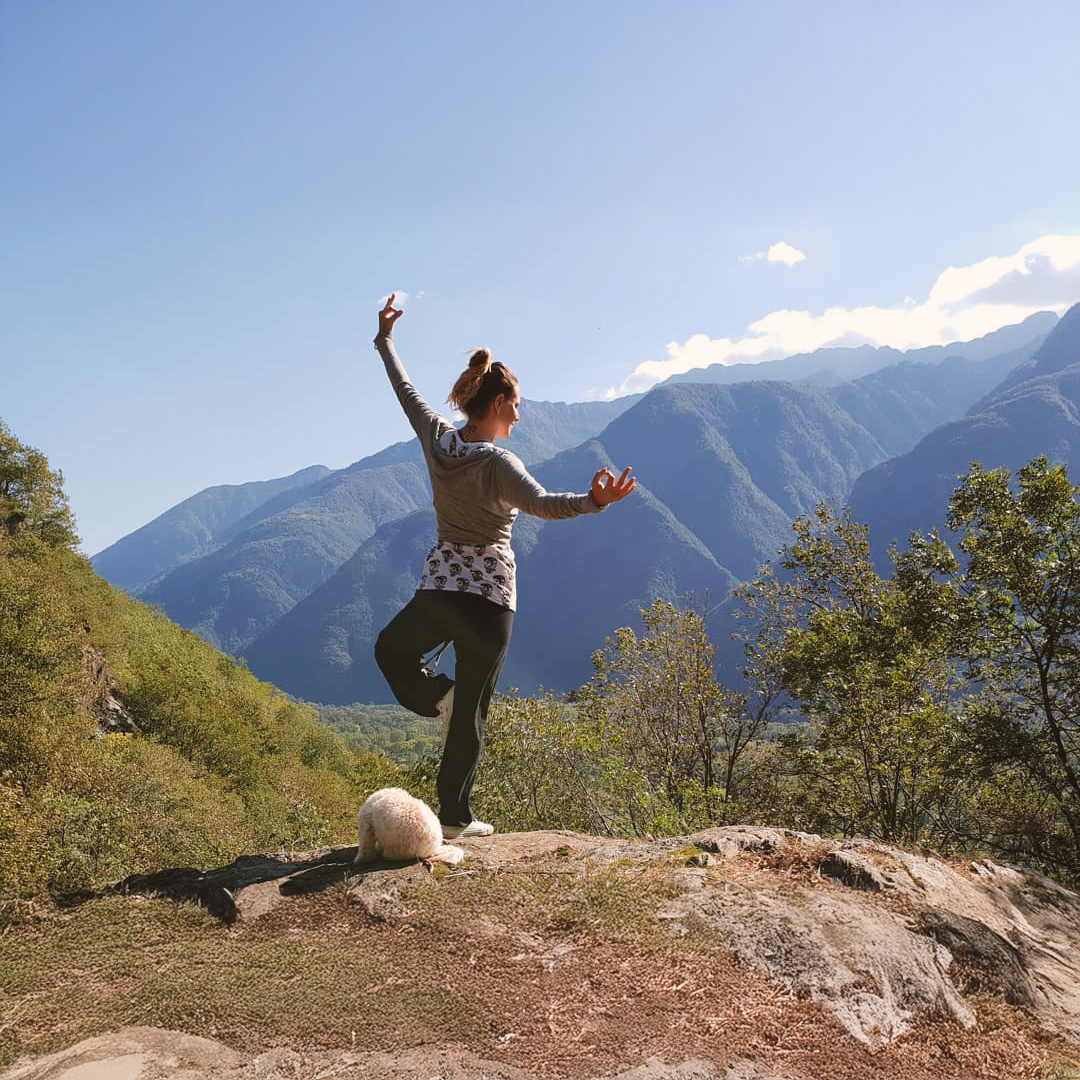
Yoga is an ancient practice that combines movement, breath and meditation to harmonize body and mind.
Through postures (asanas), breathing techniques (pranayama) and relaxation, it improves flexibility, strength and balance.
Yoga nurtures mental well-being, easing stress and anxiety, and fostering greater concentration and self-awareness.
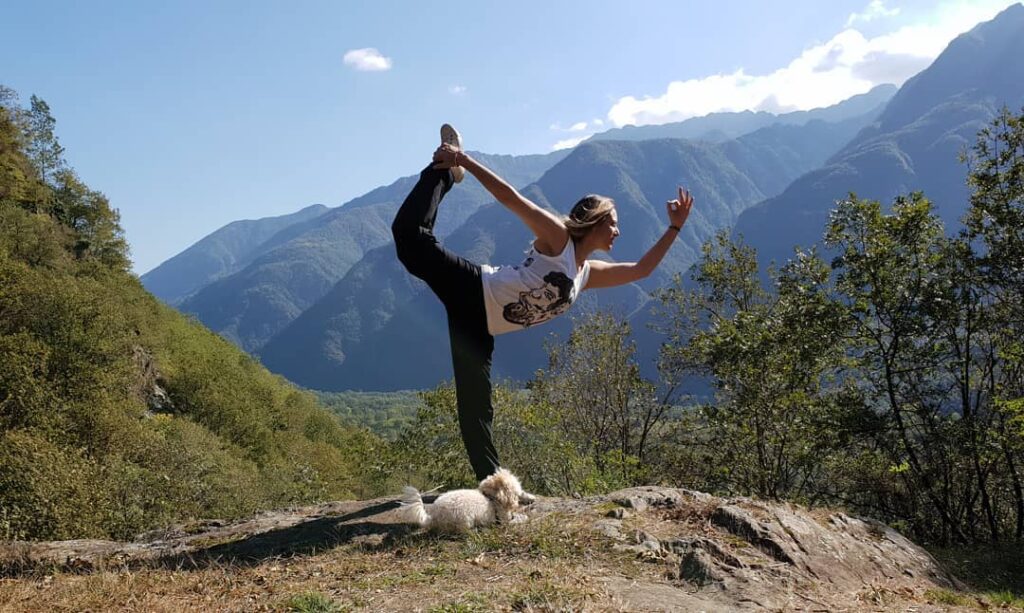
There are different styles, from the dynamic Vinyasa to the more meditative Yin Yoga, adaptable to everyone's needs. In addition to its physical benefits, yoga helps develop a state of inner calm and connection with oneself. Practicing it consistently leads to greater balance in daily life.
The Key Benefits of Practicing Yoga
- Yoga Helps You Stay Young and Rejuvenates Your Body and Mind
The asanas (postures) are the reproduction of the movements that babies do, and in doing so, one regains lost elasticity, muscle tone and lightness of mind.
- Yoga Helps Ease Stress
Research from Harvard Medical School a found that more than 80% of those who practice it claim that yoga decreases stress: one feels calmer and grounded and no longer has to escape unpleasant thoughts or feelings, nor is one driven to do more than the body can handle. The original purpose of yoga and its postures is to calm the mind and prepare for meditation, which is considered a fundamental part of this discipline.
- IS IDEAL FOR POSTURE, BALANCE AND FLEXIBILITY
When it comes to posture, it is not only an aesthetic factor, in fact many problems come from it, because even in our body, everything is connected.
“The postures increase flexibility, balance and strength,” say the authors of The Harvard Medical School Guide to Yoga, "but they also produce many other effects that make yoga a unique discipline and very different from other physical activities.
Marlynn Wei and James E. Groves, both physicians, are the authors of this insightful manual.
- Enhances Breath Awareness and Promotes Deep Relaxation
Right from the start, you learn to breathe in a different, deeper and less impulsive way. With practice we return to natural breathing, and this means getting more oxygen into our bodies, thus giving us the right energy and, most importantly, we relax more and longer (when combined with meditation, the effect of yoga in this sense is even greater).
- Promotes Better Sleep
Research from Harvard Medical School, has shown that postures, breathing techniques and meditation are useful methods for improving sleep quality and treating insomnia. The 70% of practitioners stated that yoga helps them sleep better.
- yoga leads to a healthier lifestyle
This discipline prompts nearly two-thirds of those who follow it to exercise more and 40% to eat healthier. Those who practice it are more inclined to live in tune with nature and to eat products from sustainable agriculture. Yoga also encourages people to engage in other physical activities or those directed toward self-care.
- IS A COMPLETE PHYSICAL ACTIVITY
Yoga practice engages the entire body, strengthening the muscles, supporting the nervous system, protecting the joints and ligaments, and even nurturing the internal organs.
And much more...
Main Yoga Styles
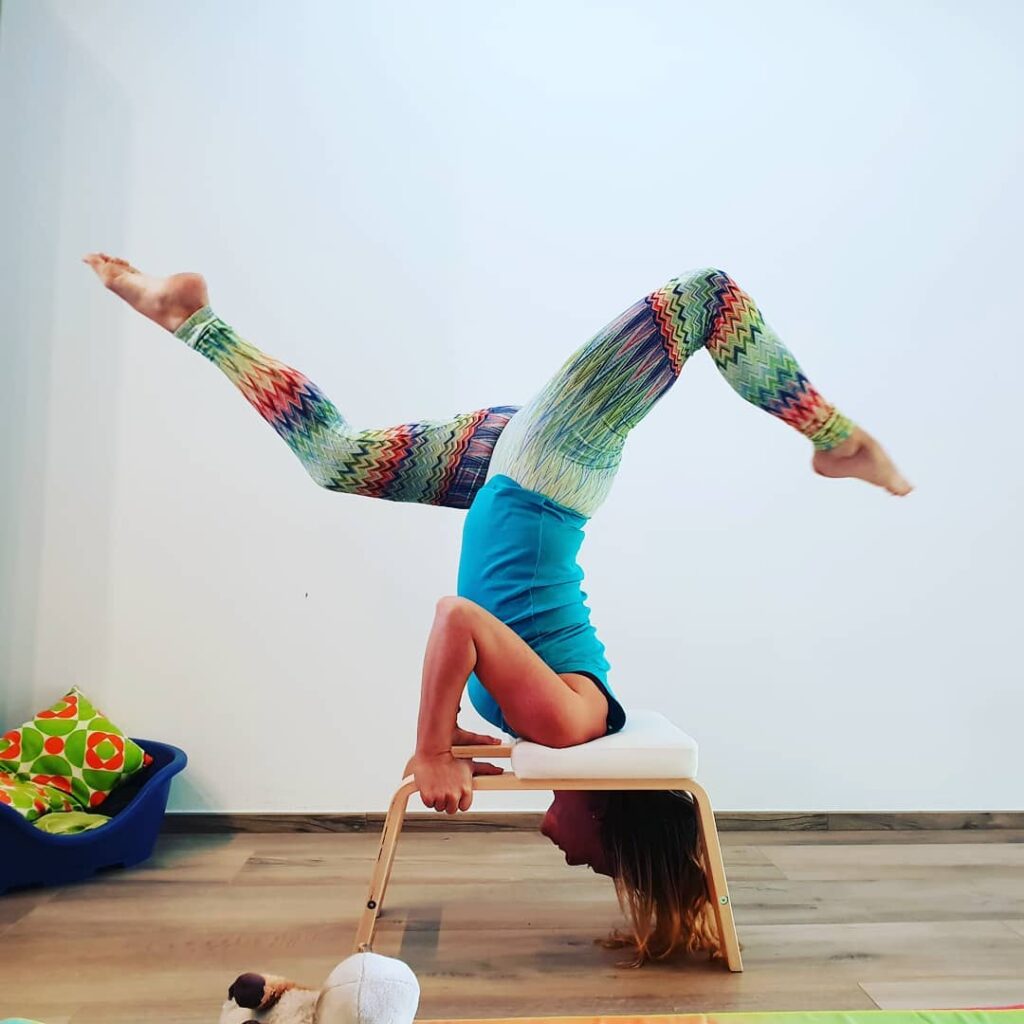
Dynamic and Intense Yoga
- Hatha Yoga – A foundational style suitable for everyone, balancing postures and breathwork.
- Vinyasa Yoga – Flowing sequences synchronized with breath, dynamic and creative.
- Ashtanga Yoga – Structured and intense sequences, ideal for building strength and discipline.
- Power Yoga – An energetic and athletic variation focused on endurance and muscle tone.
- Bikram Yoga – A fixed series of 26 postures practiced in a room heated to 40°C (104°F).
- Hot Yoga – Similar to Bikram but with more varied sequences, practiced in a heated environment.
Gentle and Meditative Yoga
- Yin Yoga – Long-held postures for deep stretching and relaxation.
- Restorative Yoga – Slow movements supported by props for deep relaxation and recovery.
- Yoga Nidra – A technique of deep relaxation and guided meditation.
Therapeutic and Spiritual Yoga
- Jivamukti Yoga – Combines spirituality, philosophy, and dynamic movement.
- Iyengar Yoga – Emphasizes precision in postures with the use of props (belts, blocks).
- Anusara Yoga – Focuses on body awareness and inner positivity.
- Kundalini Yoga – A spiritual practice involving mantras, breathing techniques, and energetic movements.
Yoga is not about tapping your toes, but what you learn along the way.